Remembering the case of James Ashley.
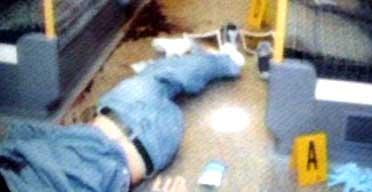
Everyone, sadly, knows the name Jean Charles de Menezes. Probably not enough know the name Harry Stanley. Even less probably know about, or considering the length of time since his shooting, remember the name of James Ashley, his family formally apologised to today. His case however shows just how little the police learnt from the tragedy which befell him.
Ashley, it must be said, had at best both an unpleasant past and some unsavoury friends. He had served 2 years for manslaughter and had been involved in a stabbing in the pub, although it subsequently turned out that he had pulled the perpetrator off the victim.
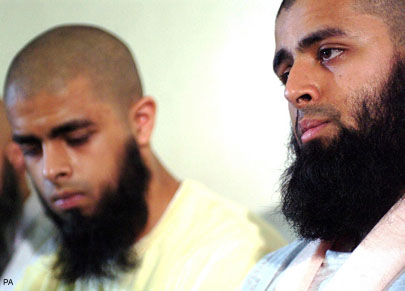
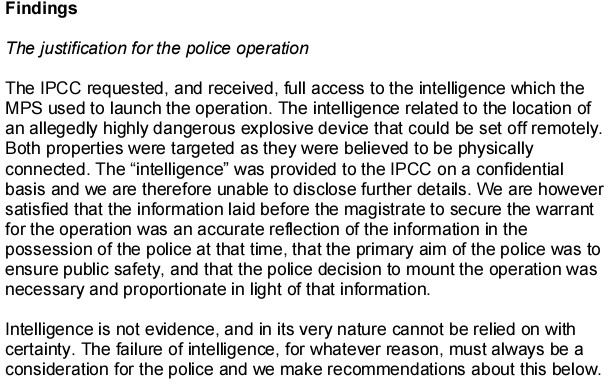
Police intelligence was that there was a large amount of drugs in the house, and that it was highly likely that Ashley would be armed and dangerous. On the 22nd of July 2005, the armed officers that were to shoot de Menezes were told in their briefing that they were likely to encounter individuals that were "deadly and determined" and "up for it", despite the fact that all the failed bombers were on the run and had no further explosives to fall back on. Similarly, the intelligence turned out to be completely wrong in the case of the Kamal family, and while we have never subsequently learned definitively exactly what it was they expected to find in their house in Forest Gate (suggestions included that it was some sort of "dirty" device, or an explosive with some sort of chemical substance), allegations have also been made that the intelligence came from a highly dubious source.
The raid itself occurred in the early hours of the morning, as it did in Forest Gate. This is standard police procedure, as between 4 and 6am is when those targeted are felt most likely to be at home. This approach has the downside that unless the police make clear who they are, and this itself has the downside that it makes those inside attempt to flee before the police have succeeded in breaking in, that the occupants often fall under the impression that they're being burgled. This was what James Ashley thought, as did the brothers in Forest Gate. The other obvious thing about conducting raids in the early morning is the problem of the light: this was crucial in both the raid in Forest Gate and in the one which led to Ashley's death. In Forest Gate, Abdulkahar came pounding down the stairs as the police were coming up them; the officer, with only the light from his weapon for guidance, thought that someone was pulling at his arm and probably due to the bulkiness of the chemical suit he was wearing, ended up discharging his weapon, something that ought to have been foreseen (PDF). In the tragic case of Ashley, the officers had been disoriented by the plan of the house, knocking into an ironing board and also coming across an unexpected communal door. Fatefully, when an officer entered James' bedroom, again in the dark, he thought that James, having been woken and in a daze staggering towards the door, was about to attack him and so fired his weapon, killing him.
James had been in bed and was naked when he was shot. He had no weapon to hand, and only an airgun was found in the subsequent search. Also found was a small quantity of cannabis. He was found not to have links to the drug ring he had been suspected of belonging to. It was, to quote what an officer said to the Guardian in regards to the shooting of de Menezes, "a complete and utter fuck-up."
If this was as far as the fuck-up went, it might not have been so bad. Yet just as in the examples of the Forest Gate raid and the Stockwell shooting, the police either gave information which turned out to be wrong to the media or at worst actively conducted smear operations against those shot. Paul Whitehouse, the then chief constable of Sussex police, conducted a press conference in which he claimed that Ashley was wanted for attempted murder, that the raid was professionally planned and that the use of firearms was proportionate. A subsequent report conducted by Sir John Hoddinott under the auspices of the Police Complaints Authority, the forerunner to the Independent Police Complaints Commission, which has never been published, found that Whitehouse had "wilfully failed to tell the truth as he knew it; he did so without reasonable excuse or justification and what he published and said was misleading and therefore likely to injure the public interest." Whitehouse resigned after the then home secretary David Blunkett suggested that he ought to be sacked to restore public confidence in the force. Perhaps the best that can be said for Whitehouse is that at least he made an active decision to lie about what had happened, having been fully informed of the raid; Sir Ian Blair, on the other hand, did not know that an innocent man had been shot on the 22nd of July until the following morning, when apparently even his secretary knew that was likely to be the case. Menezes was besmirched in any case, alleged to be here illegally when he was not, acting strangely when he had not been, wearing a "bulky jacket" despite it being a warm day, when he had in fact been wearing a light denim jacket, and that he had jumped the barriers at the Stockwell station, when in actuality the police running to catch up with him, having arrived late, were the ones who leaped over them, being confused with de Menezes.
Much the same thing happened to the Forest Gate brothers, with the Murdoch press leading the way and eventually having to apologise for their coverage. The Times and the Sun said they had criminal convictions when they did not, the Sun claimed that the large amount of money found in the house had not been explained, when in fact the police had been told repeatedly that they were keeping it there as it's haram (forbidden) in Islam to use bank accounts which accrue interest, then alleged that the brothers had spat at and insulted soldiers outside the brothers, also completely untrue. Finally, the big gun was brought out: the police leaked to the News of the World that child pornography had been found on a computer and mobile phone seized in the raid on the house. It turned out that this material had been on both devices since before they had been bought, second-hand by the family.
If lessons were meant to have been learned from the shooting of Mr Ashley, then they quite obviously weren't; the opposite seems to be the case. You almost have to wonder if it was or still is common police procedure to cast aspersions on the character of those who are unfortunate to find themselves at the heart of police bungles, knowing full well that once you have planted a seed of doubt in the public's mind, many will still believe it even if it subsequently turns out to be untrue. Right up until the final inquiry into the shooting of de Menezes was released, commenters on newspaper articles were still bringing up his supposed jumping of the barrier and that he wasn't legally here. In almost all the cases the police themselves could have corrected the mistakes, if that's what they were, but chose not to. Whitehouse was eventually held accountable, but no charges were brought over the Forest Gate raid, and while Sir Ian Blair was eventually forced out by Boris Johnson, the prosecution of the Met on health and safety grounds only resulted in a fine that the taxpayer had to be pay, while the coroner at the inquest denied the jury the opportunity to decide whether de Menezes was unlawfully killed, although they did strongly criticise the officers who shot de Menezes over their conflicting stories with that of other witnesses. The hope has to be that the next time an innocent person is shot, as they inevitably will be, that the above does not happen again. That however is all that it is, a hope.
Ashley, it must be said, had at best both an unpleasant past and some unsavoury friends. He had served 2 years for manslaughter and had been involved in a stabbing in the pub, although it subsequently turned out that he had pulled the perpetrator off the victim.
Police intelligence was that there was a large amount of drugs in the house, and that it was highly likely that Ashley would be armed and dangerous. On the 22nd of July 2005, the armed officers that were to shoot de Menezes were told in their briefing that they were likely to encounter individuals that were "deadly and determined" and "up for it", despite the fact that all the failed bombers were on the run and had no further explosives to fall back on. Similarly, the intelligence turned out to be completely wrong in the case of the Kamal family, and while we have never subsequently learned definitively exactly what it was they expected to find in their house in Forest Gate (suggestions included that it was some sort of "dirty" device, or an explosive with some sort of chemical substance), allegations have also been made that the intelligence came from a highly dubious source.
The raid itself occurred in the early hours of the morning, as it did in Forest Gate. This is standard police procedure, as between 4 and 6am is when those targeted are felt most likely to be at home. This approach has the downside that unless the police make clear who they are, and this itself has the downside that it makes those inside attempt to flee before the police have succeeded in breaking in, that the occupants often fall under the impression that they're being burgled. This was what James Ashley thought, as did the brothers in Forest Gate. The other obvious thing about conducting raids in the early morning is the problem of the light: this was crucial in both the raid in Forest Gate and in the one which led to Ashley's death. In Forest Gate, Abdulkahar came pounding down the stairs as the police were coming up them; the officer, with only the light from his weapon for guidance, thought that someone was pulling at his arm and probably due to the bulkiness of the chemical suit he was wearing, ended up discharging his weapon, something that ought to have been foreseen (PDF). In the tragic case of Ashley, the officers had been disoriented by the plan of the house, knocking into an ironing board and also coming across an unexpected communal door. Fatefully, when an officer entered James' bedroom, again in the dark, he thought that James, having been woken and in a daze staggering towards the door, was about to attack him and so fired his weapon, killing him.
James had been in bed and was naked when he was shot. He had no weapon to hand, and only an airgun was found in the subsequent search. Also found was a small quantity of cannabis. He was found not to have links to the drug ring he had been suspected of belonging to. It was, to quote what an officer said to the Guardian in regards to the shooting of de Menezes, "a complete and utter fuck-up."
If this was as far as the fuck-up went, it might not have been so bad. Yet just as in the examples of the Forest Gate raid and the Stockwell shooting, the police either gave information which turned out to be wrong to the media or at worst actively conducted smear operations against those shot. Paul Whitehouse, the then chief constable of Sussex police, conducted a press conference in which he claimed that Ashley was wanted for attempted murder, that the raid was professionally planned and that the use of firearms was proportionate. A subsequent report conducted by Sir John Hoddinott under the auspices of the Police Complaints Authority, the forerunner to the Independent Police Complaints Commission, which has never been published, found that Whitehouse had "wilfully failed to tell the truth as he knew it; he did so without reasonable excuse or justification and what he published and said was misleading and therefore likely to injure the public interest." Whitehouse resigned after the then home secretary David Blunkett suggested that he ought to be sacked to restore public confidence in the force. Perhaps the best that can be said for Whitehouse is that at least he made an active decision to lie about what had happened, having been fully informed of the raid; Sir Ian Blair, on the other hand, did not know that an innocent man had been shot on the 22nd of July until the following morning, when apparently even his secretary knew that was likely to be the case. Menezes was besmirched in any case, alleged to be here illegally when he was not, acting strangely when he had not been, wearing a "bulky jacket" despite it being a warm day, when he had in fact been wearing a light denim jacket, and that he had jumped the barriers at the Stockwell station, when in actuality the police running to catch up with him, having arrived late, were the ones who leaped over them, being confused with de Menezes.
Much the same thing happened to the Forest Gate brothers, with the Murdoch press leading the way and eventually having to apologise for their coverage. The Times and the Sun said they had criminal convictions when they did not, the Sun claimed that the large amount of money found in the house had not been explained, when in fact the police had been told repeatedly that they were keeping it there as it's haram (forbidden) in Islam to use bank accounts which accrue interest, then alleged that the brothers had spat at and insulted soldiers outside the brothers, also completely untrue. Finally, the big gun was brought out: the police leaked to the News of the World that child pornography had been found on a computer and mobile phone seized in the raid on the house. It turned out that this material had been on both devices since before they had been bought, second-hand by the family.
If lessons were meant to have been learned from the shooting of Mr Ashley, then they quite obviously weren't; the opposite seems to be the case. You almost have to wonder if it was or still is common police procedure to cast aspersions on the character of those who are unfortunate to find themselves at the heart of police bungles, knowing full well that once you have planted a seed of doubt in the public's mind, many will still believe it even if it subsequently turns out to be untrue. Right up until the final inquiry into the shooting of de Menezes was released, commenters on newspaper articles were still bringing up his supposed jumping of the barrier and that he wasn't legally here. In almost all the cases the police themselves could have corrected the mistakes, if that's what they were, but chose not to. Whitehouse was eventually held accountable, but no charges were brought over the Forest Gate raid, and while Sir Ian Blair was eventually forced out by Boris Johnson, the prosecution of the Met on health and safety grounds only resulted in a fine that the taxpayer had to be pay, while the coroner at the inquest denied the jury the opportunity to decide whether de Menezes was unlawfully killed, although they did strongly criticise the officers who shot de Menezes over their conflicting stories with that of other witnesses. The hope has to be that the next time an innocent person is shot, as they inevitably will be, that the above does not happen again. That however is all that it is, a hope.
Labels: Forest Gate terror raid, Harry Stanley, IPCC, James Ashley, Jean Charles de Menezes, Metropolitan police, Paul Whitehouse, police, police shootings, smearing, Sussex police
| Permalink